


Amanda Wu is a registered occupational therapist specialising in treating children with autism, developmental delay, learning difficulties, attention deficit, and hyperactive disorder. She has over a decade of experience working in various institutions, from Early Education & Training Centres, Special Child Care Centres of voluntary organisation, to special schools. Amanda has also hosted talks and workshops for teachers and parents on special educational need
When Autistic Kids Are Coming of Age, How Can Parents Be Prepared?
How can we, as a community, support autism into adulthood? Occupational therapist Amanda Wu has the answer.
Autism spectrum disorder (ASD) is a general term for a group of complex developmental disorders, characterised by impairments in social interaction, language, and communication skills, combined with rigid, repetitive behaviours. According to government figures, there were more than 10,000 autistic students in the 2017/18 school year in Hong Kong. In the next decades, when these students age out of the school system and transition into adulthood, they will need more support and resources to meet their many needs.
To help parents navigate the special challenges ahead , occupational therapist Amanda Wu shares her advice on how caregivers can ease their child’s transition from childhood to adulthood and help them thrive.
1. How do occupational therapists collaborate with other health care professionals to facilitate the treatment?
The first step on the road to treatment is to determine the goals, which are set through regular interdisciplinary meetings with other health care professionals, such as physiotherapists and speech therapists, as well as family caregivers.
Therapy with autistic patients can last for years because individuals who have successfully managed certain symptoms may need additional treatment as they continue to adjust to changes in life. Additional therapy sessions serve as a way to help patients re-establish control as new life challenges emerge and when circumstances change.
2. Any advice for family caregivers? What can they do to enable their high functioning autistic children a smoother transition into adulthood?
- Understand the cause
Parents tend to take an appeasement approach when their child throws a tantrum in exchange for a moment of peace. It’s far from the solution. What parents should do, instead, is to identify the reasons behind the mood swing. Then, set attainable goals with the therapist to help their child improve upon things they struggle with and give them tools to live an independent life.
- Build Trust and learn to let go
Very often, parents micromanage their child’s life — which is understandable, given that children with autism respond to consequences and punishment differently. However, such a parenting style might not necessarily work as the child grows up. It can backfire, undermining the parent-child relationship and the child’s ability to solve problems. Parents should have a clear sense of where their child’s strengths, challenges, skills, and interests lie and learn to let go of the steering wheel when it’s time.
- Provide opportunities for growth
Decision-making is an important aspect of building confidence. By incorporating small choices into the daily routine and conducting regular reviews, parents can help children understand better the cause and effects in life, and thereby develop positive decision-making skills through adolescence and adulthood.
3. What should family caregivers pay attention to when seeking help from occupational therapists?
- Set expectations
There is a misconception among family caregivers that therapy alone is sufficient to cure whatever problems their child is facing. Perhaps due to a lack of understanding and preconceived notions, many parents assume that autistic symptoms will gradually disappear as the child grows up. That is not true. Parents should be in the driver’s seat when it comes to helping children with ASD. Home education and therapy should complement each other. When the child leaves the therapy session, the learning should continue into their home, with parents playing an active role.
- Communicate with specialists as frequently as possible
Successful treatment demands effective two-way communication between therapist and family caregivers. Therapists and doctors only see one side of the child, so they rely on family caregivers to provide feedback on how the autistic child behaves in other settings. It is, therefore, important for family caregivers to keep in touch with their medical team as often as possible.
You might also like:
—
About the expert
免責聲明: 本網站的所有網誌內容(包括文字、圖片及其他資料)僅供參考及教育用途,並不構成專業醫療建議、診斷或治療。如有任何關於健康狀況、醫療問題或護理安排的疑問,請務必諮詢醫生或其他合資格的醫療專業人員。Evercare 對任何人因使用或誤用本網誌的任何信息或內容,或因依賴該等內容而造成的任何損失、傷害或損害,概不承擔任何責任。
Disclaimer: All content, including text, graphics, images, and information, contained on this blog is for informational and educational purposes only. It is not intended to be a substitute for professional medical advice, diagnosis, or treatment. Always seek the advice of a doctor or a qualified healthcare professional with any questions you may have regarding a medical condition, health concerns, or care arrangements. Evercare assumes no responsibility or liability for any loss, injury, or damage resulting from the use or reliance on any information contained on this blog.
最新的文章 Latest Posts
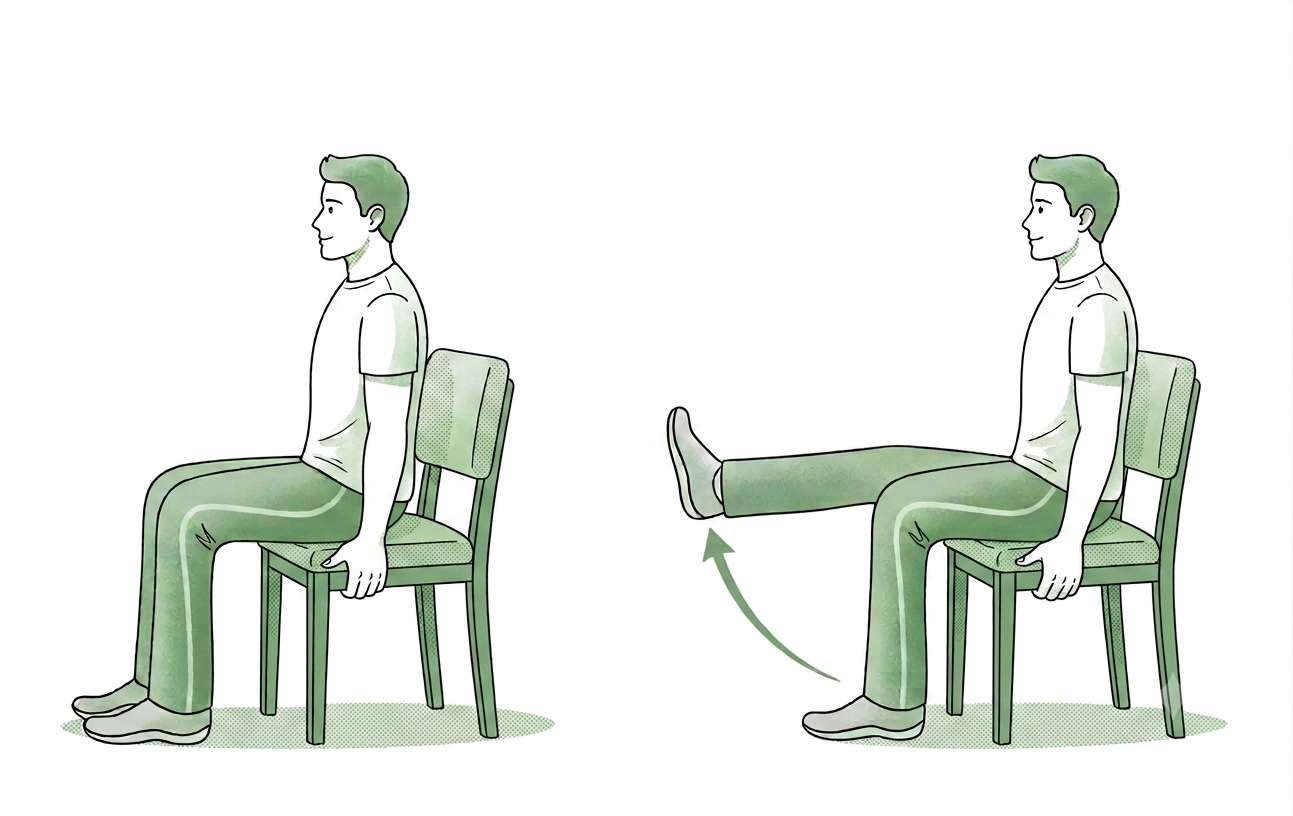
許多長輩並非因為疾病而失能,往往是「跌倒了」之後,因骨折臥床,導致身體機能快速衰退。「人老腿先老」 這句話一點也不假,雙腿是我們身體的「第二心臟」,下肢肌力的強弱,直接決定了晚年的生活品質與行動自主權。以下介紹三組安全、簡單且有效的下肢訓練,長者在家即可操作,建議每天練習15-20分鐘。

第一型糖尿病(Type 1 diabetes),曾被稱為幼年型糖尿病(Juvenile diabetes)或胰島素依賴型糖尿病(Insulin Dependent Diabetes Mellitus,簡稱IDDM),是一種影響全球數百萬人的慢性疾病。與第二型糖尿病不同,第一型糖尿病是由於免疫系統攻擊並破壞胰臟中產生胰島素的細胞所致。胰島素是調節血糖的關鍵激素,缺乏胰島素會導致血糖過高,長期下來可能引發嚴重的健康問題。Evercare為你整合第一型糖尿病的成因、症狀、治療與生活管理,幫助你更全面地了解這一疾病。 目錄 —> 1. 第一型糖尿病是什麼? —> 2. 症狀與診斷方法 —> 3. 病情管理 —> 4. 掌握你的健康!Evercare居家照護服務,助你輕鬆管理糖尿病 —> 5. 常見問題

每年流感季節,病毒傳播速度急速增加,特別是對於長者、小童和免疫力較弱的人士,流感可能帶來嚴重的健康威脅。Evercare將為你整合流感基本知識、預防方法以及應對方法,讓你和家人健康渡過流感高峰期。
其他話題 Other Topics
喜歡我們的文章嗎?
超過3,000位照顧者已經訂閱我們的資訊!訂閱我們的資訊,你可獲得免費護理工具、專家護理知識和同路人分享。立即訂閱,也可以隨時取消。請在此填寫你的姓名和電郵地址: