


Keeping a clean home is a great starting point to creating a safe environment during an outbreak. Here are a few more home hygiene tips from healthcare professionals on decreasing the chances of spreading a virus and keeping your family in good health.
The spreading of the Wuhan coronavirus has put everyone on guard. “Thorough hygiene” has become the core strategy for infection prevention: masks, hand washing and alcohol gel on repeat. However, with family that might be homebound, creating a safe environment for them is equally important.
Maintaining good environmental hygiene is imperative to the wellbeing of all families, especially those cohabiting with elderly parents or in-home patients, whose weakened immunity places them at a particular disadvantage during an outbreak. Read on to learn the five steps to creating a safe environment amid the health crisis.
1) Establish a regular home cleaning routine
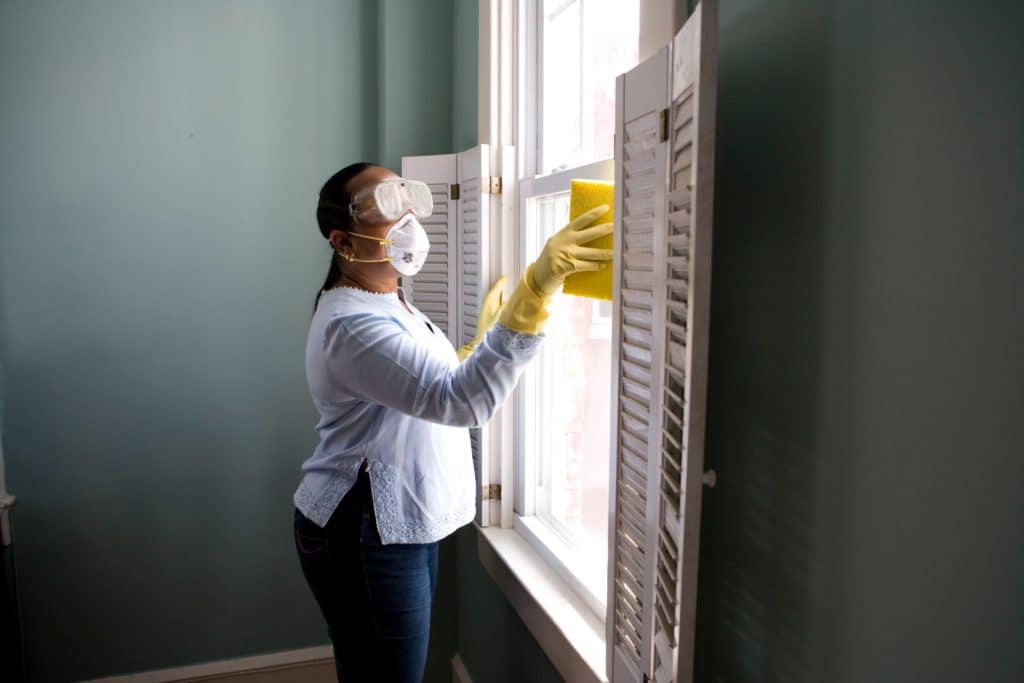
Thorough cleaning is essential for infection control because deposits of dust, soil, and microbes on surfaces transmit infection. Professionals suggest using 1:99 diluted household bleach to clean all surfaces. It is also important to pay particular attention to frequently touched surfaces and objects, such as doorknobs, bathroom fixtures, keyboards, remote controls, and tablets.
For those caring for in-home patients, absorbent disposable towels can be used to remove any blood, body fluids, and secretions such as saliva before cleaning surfaces with 1:99 diluted household bleach. To reduce the risk of infection, professionals also advise to put on disposable gloves and a plastic apron when doing the cleaning. Hand washing after using the protective equipment is imperative.
2) Clean your care tools and medical equipment thoroughly
Proper handling of assistive and medical equipment is a critical part of in-home infection control. Additional attention must be given to the cleaning of devices such as needles and feeding tubes, which will come in direct contact with the patient when in use. They must be handled carefully to prevent contamination.
Procedures for cleaning and disinfecting medical equipment should be carried out based on manufacturers’ instructions and in consultation with health care professionals because they vary depending on the characteristics, purpose, use of equipment, as well as the level of disinfection . If you have any uncertainties, make sure to consult with your caregiver or manufacturer on extra levels of hygiene needed to keep your equipment clean.
3) Dispose of your waste properly
One aspect of home hygiene that is often overlooked is medical waste disposal. If medical waste is not dealt with correctly, it can be hazardous to families and anyone else in contact with it after disposal.
Medical waste can be categorised into home healthcare waste and bio-hazardous waste. Home healthcare waste such as used face masks and soiled tissues should be double-bagged and tied up. It should be handled separately from general household waste. Any potentially infectious waste such as sharp objects and waste containing blood and excrement would be considered bio-hazardous. Proper handling of this kind of waste may require training. Family caregivers should seek disposal advice from health care professionals should they have any doubts.
You might also like:
4) Maintain good indoor ventilation
Keeping good ventilation is a quick intervention to prevent the spread of airborne viruses within households. Earlier, Hong Kong microbiologist Yuen Kwok-Yung warned of the possibility that the coronavirus can be spread through cracks in the seals between an air ventilation pipe and a sewage pipe. While various techniques may be advertised to clean residential pipes within building settings, these three extra steps can be applied to protect yourself: keep windows open, wash dust filters of air-conditioners frequently, and maintain proper function of the air ventilation.
5) Conduct a comprehensive health and safety assessment
To get a complete picture of the hygiene condition of your abode, you may consider getting support from reliable and experienced health care professionals. They can provide an informed assessment of practices in domestic cleanliness and help with the design of solutions that reduce infections in the home.
If you’re still feeling unsure about how you can best safeguard the wellbeing of your family against a possible pandemic , you can schedule a free consultation with our professional caregivers here . They will be able to answer your questions and inform you of your specific situation.
免責聲明: 本網站的所有網誌內容(包括文字、圖片及其他資料)僅供參考及教育用途,並不構成專業醫療建議、診斷或治療。如有任何關於健康狀況、醫療問題或護理安排的疑問,請務必諮詢醫生或其他合資格的醫療專業人員。Evercare 對任何人因使用或誤用本網誌的任何信息或內容,或因依賴該等內容而造成的任何損失、傷害或損害,概不承擔任何責任。
Disclaimer: All content, including text, graphics, images, and information, contained on this blog is for informational and educational purposes only. It is not intended to be a substitute for professional medical advice, diagnosis, or treatment. Always seek the advice of a doctor or a qualified healthcare professional with any questions you may have regarding a medical condition, health concerns, or care arrangements. Evercare assumes no responsibility or liability for any loss, injury, or damage resulting from the use or reliance on any information contained on this blog.
最新的文章 Latest Posts
其他話題 Other Topics
喜歡我們的文章嗎?
超過3,000位照顧者已經訂閱我們的資訊!訂閱我們的資訊,你可獲得免費護理工具、專家護理知識和同路人分享。立即訂閱,也可以隨時取消。請在此填寫你的姓名和電郵地址: