Can Diabetes Lead to Blindness? Find Out How You Can Prevent Diabetic Retinopathy

Diabetes is one of the most common diseases among the elderly, making it a great concern for most families. As symptoms are difficult to notice at first, severe complications such as diabetic retinopathy, or blindness, can suddenly affect patients.

點擊此處閱讀中文版本

Understanding Diabetic Retinopathy

Diabetic retinopathy is also known as diabetic blindness, often found in patients with high blood sugar levels. While it seems diabetes and eyesight have little correlation, the effect diabetes have on blood and blood vessels means problems can occur in any part of the body, including the eyes. A lack of nutrients in the retina can be caused by a decrease in blood oxygen levels as a result of high blood sugar. It can also be du e to unnecessary substances such as fat being delivered to the eyes through blood vessels. This can lead to many problems in the eyes, and ultimately blindness.

How can I prevent and treat diabetic retinopathy?

There are three main ways to prevent diabetic retinopathy:

1. Take medication or inject insulin in a timely manner

In order to properly control your blood sugar levels , taking the right medication at the right time is key.

Injecting insulin requires practice . Whether it is the location of the injection, how your hand is positioned, or how you clean up afterwards, this task should be performed with caution. Incorrect methods of injection can minimise the effe ct of lowering blood sugar and lead to lipohypertrophy. It is recommended that patients seek the help of professionals to inject insulin , especially when the diagnosis is new and patients are unfamiliar with injection methods.  

2. Maintain a balanced diet

Following some basic rules to diet management is key to controlling the effects of the disease, such as minimising th e consumption of sugary and processed foods, and increasing consumption of foods high in fibre.

With this in mind, it is important to also understand that the expression of diabetes is different from patient to patient . Even though there are many free diabetes-friendly meal plans and recipes on the internet, they are not suitable for everyon e. It is recommended that patients seek the expertise of dieticians who help clients set a meal plan and adapt this plan regularly. The patient’s blood sugar levels exhibit different reactions to different types of food. They can also provide nutrition information and glycemic index of various food items.

Achieve noticeable reductions in blood sugar levels with food. Download our diabetes diet guide below !

3. Do regular eye check-ups

Regular eye check-ups should be done at the ophthalmologist’s recommendation. If signs of diabetic retinopathy are discovered early, steps can be taken to prevent further damage to the eye. If the patient is diagnosed with diabetic retinopathy, undergoing surgery as soon as possible is crucial. Ophthalmologists mainly opt for vitreous removal surgery, retinal surgery or laser treatment based on the patient’s condition. The goal is to restore the patient’s eyesight completely.

Diabetic retinopathy has an extensive impact on a patient’s life. The best way to prevent this is to develop healthy eating habits, which contribute to an overall healthy lifestyle, lowering the risk of diabetes entirely.

Source: 糖尿病性視網膜病變指引
Feature image: Optical88

最新的文章 Latest Posts

Illustration of seated exercise
By 劉勝 June 11, 2026
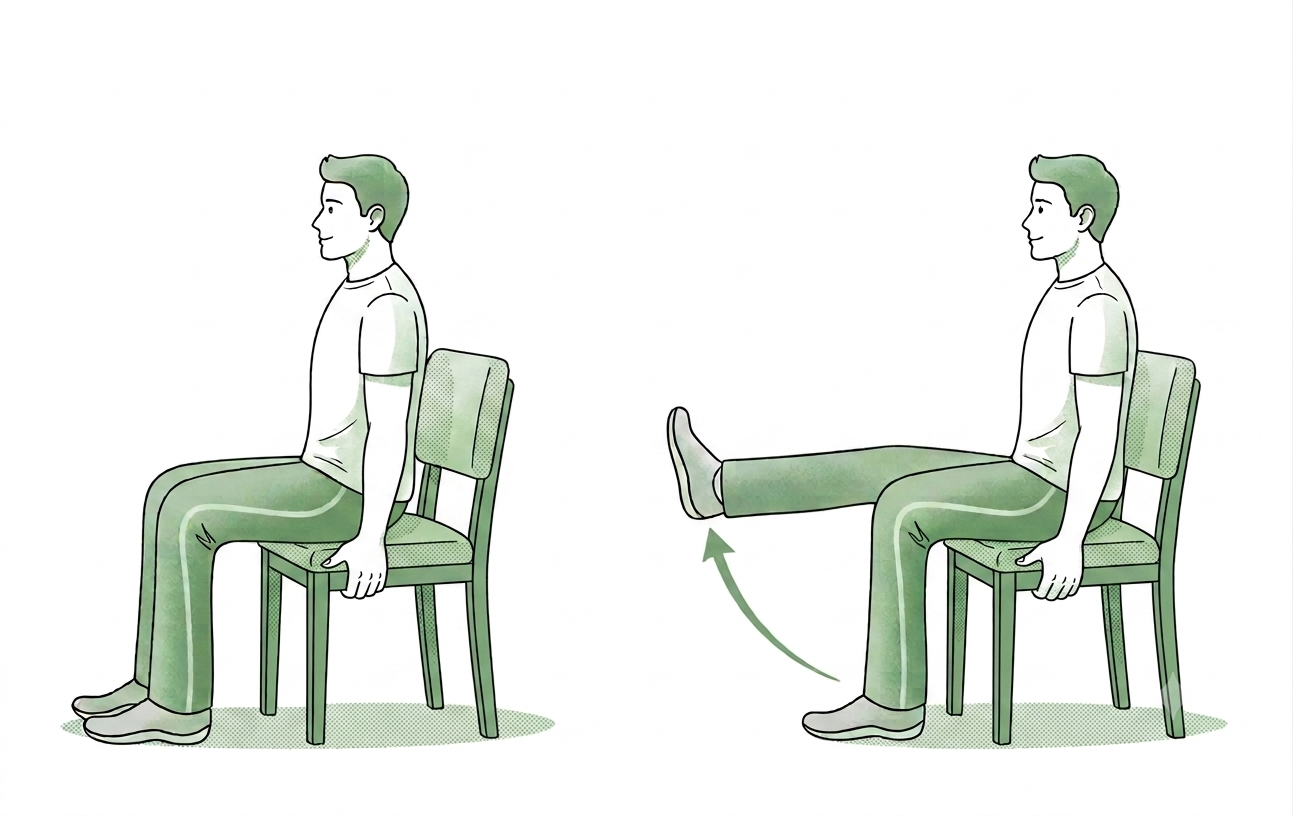
許多長輩並非因為疾病而失能,往往是「跌倒了」之後,因骨折臥床,導致身體機能快速衰退。「人老腿先老」 這句話一點也不假,雙腿是我們身體的「第二心臟」,下肢肌力的強弱,直接決定了晚年的生活品質與行動自主權。以下介紹三組安全、簡單且有效的下肢訓練,長者在家即可操作,建議每天練習15-20分鐘。
By Chelsea Yeung March 3, 2025
第一型糖尿病(Type 1 diabetes),曾被稱為幼年型糖尿病(Juvenile diabetes)或胰島素依賴型糖尿病(Insulin Dependent Diabetes Mellitus,簡稱IDDM),是一種影響全球數百萬人的慢性疾病。與第二型糖尿病不同,第一型糖尿病是由於免疫系統攻擊並破壞胰臟中產生胰島素的細胞所致。胰島素是調節血糖的關鍵激素,缺乏胰島素會導致血糖過高,長期下來可能引發嚴重的健康問題。Evercare為你整合第一型糖尿病的成因、症狀、治療與生活管理,幫助你更全面地了解這一疾病。 目錄 —> 1. 第一型糖尿病是什麼? —> 2. 症狀與診斷方法 —> 3. 病情管理 —> 4. 掌握你的健康!Evercare居家照護服務,助你輕鬆管理糖尿病 —> 5. 常見問題
流感懶人包-病徵-預防及應對方法
By Chelsea Yeung February 13, 2025
每年流感季節,病毒傳播速度急速增加,特別是對於長者、小童和免疫力較弱的人士,流感可能帶來嚴重的健康威脅。Evercare將為你整合流感基本知識、預防方法以及應對方法,讓你和家人健康渡過流感高峰期。

免責聲明: 本網站的所有網誌內容(包括文字、圖片及其他資料)僅供參考及教育用途,並不構成專業醫療建議、診斷或治療。如有任何關於健康狀況、醫療問題或護理安排的疑問,請務必諮詢醫生或其他合資格的醫療專業人員。Evercare 對任何人因使用或誤用本網誌的任何信息或內容,或因依賴該等內容而造成的任何損失、傷害或損害,概不承擔任何責任。

Disclaimer: All content, including text, graphics, images, and information, contained on this blog is for informational and educational purposes only. It is not intended to be a substitute for professional medical advice, diagnosis, or treatment. Always seek the advice of a doctor or a qualified healthcare professional with any questions you may have regarding a medical condition, health concerns, or care arrangements. Evercare assumes no responsibility or liability for any loss, injury, or damage resulting from the use or reliance on any information contained on this blog.

其他話題 Other Topics

喜歡我們的文章嗎?

超過3,000位照顧者已經訂閱我們的資訊!訂閱我們的資訊,你可獲得免費護理工具、專家護理知識和同路人分享。立即訂閱,也可以隨時取消。請在此填寫你的姓名和電郵地址: